






Note: The following e-newsletter was distributed to Sen. Christian’s subscribers Oct. 9, 2026. To subscribe to Sen. Christian’s e-newsletters, click here.
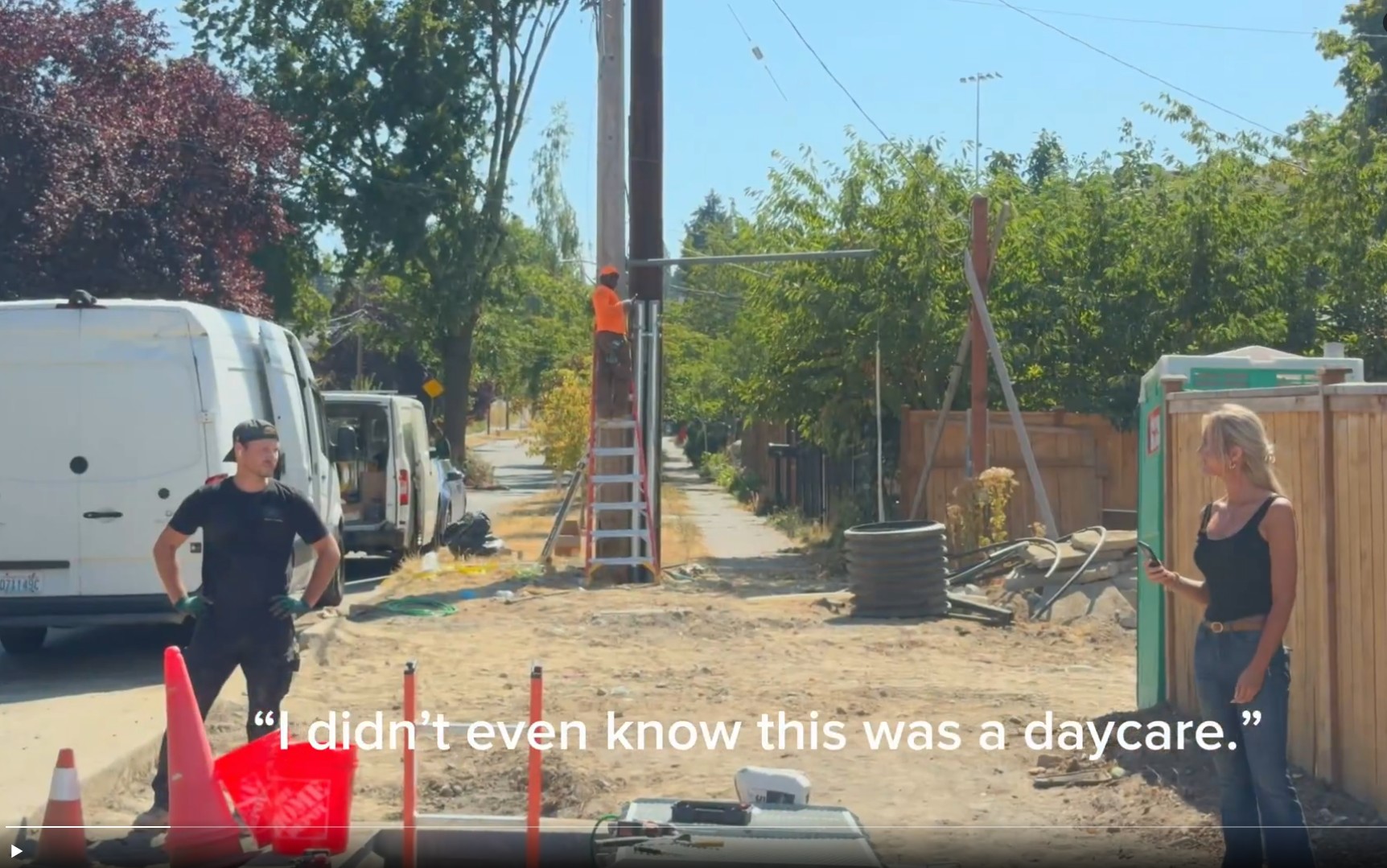
In the eye-opening video report above, Katie Daviscourt of the online publication The Post-Millennial visits Somali-speaking daycare facilities in Seattle that receive state subsidies. At most locations she finds no indication that daycare is actually taking place. The shoe-leather reporting we see in this video is journalism at its best, building on previous work by outlets like The Center Square and independent journalists like Johnathan Choe.
Dear Friends and Neighbors,
 Unbelievable. That’s the word for it. Despite growing indications that daycare fraud is a genuine problem in our state, the Department of Children of Children, Youth and Families has quietly decided to conceal public records about in-home daycare providers who receive hundreds of millions of dollars every year in public funding.
That’s how DCYF has decided to address the most embarrassing lapse in state government oversight we have seen in a decade. Ever since revelations of the massive Somali daycare fraud scheme in Minnesota shocked the nation last December, reporters and public advocates have been knocking on doors of suspicious daycare operations in the Puget Sound area. They have raised red flags galore. They have found the state is making large payments, sometimes tens of thousands of dollars a month, to addresses where no daycare appears to be taking place – no kids being dropped off, no kids playing outside. All of it right under the noses of state officials.
So DCYF is doing its part by making it harder for the press and the public to investigate.
Press release conceals information
What brings this matter to our attention is a press release issued by DCYF through the governor’s office on Sept. 21. This press release announced $251 million in grants to daycare vendors for early learning programs. You can read this press release here, and maybe you’ll notice the same thing we did.
It lists 42 new grant recipients, but the names of three of them are concealed. We are told only that these are daycares operated out of private homes in Benton City, Kent and Renton. An asterisk directs us to a footnote. It says, “Licensed Family Home Care site names have been redacted per WA Initiative 1501.” In other words, DCYF has decided to withhold information that the press and the public might use to check if taxpayer money is being spent for its intended purpose.
A lame excuse
If this seems familiar, it’s because the exact same issue came up five months ago, and the Department of Commerce got slapped down for it. Commerce issued a press release through the governor’s office last May announcing $57 million in grants to daycare vendors to improve daycare facilities. Twenty of 74 recipients went unnamed, with the same asterisk and the same explanation.
Yet Initiative 1501 was never intended to block inquiries about daycare spending. Passed by Washington voters in 2016, this initiative increased penalties for identity theft against seniors and vulnerable individuals under the state’s care. Curiously, it also barred the state from revealing personal information about in-home caregivers to the elderly and disabled, and even more curiously, it lumped childcare providers together with them. Cynical observers noted at the time that the initiative was backed by the Service Employees International Union, which represents in-home caregivers, and they pointed out the initiative would prevent third parties from notifying caregivers of their right to cancel their union memberships and stop paying union dues.
Whatever the motivation for this initiative, it certainly wasn’t to prevent reporters from finding daycare addresses in public records and investigating the possibility of fraud. So when Commerce used this absurd excuse, many in the press called foul. We don’t need to know the names of people who provide daycare in their homes, and we don’t need to know their personal addresses, Social Security numbers or any other personal information. All of that they can keep to themselves. But we do need to know their business identities and the locations where they are doing business. Somebody needs to check whether they are actually providing daycare, and if the state won’t do it, the press and the public have to do it themselves.
Same issue all over again
Five months ago the rules seemed clear. The law says public records exemptions must be interpreted narrowly. The Attorney General’s Office, no friend of the public on this matter, was forced to tell Commerce it couldn’t keep things secret. The department reluctantly complied, saying it did so on the advice of the AG.
So why is DCYF concealing information that the Department of Commerce has been told it must provide? I wish I knew. This week, as ranking member on the Senate Human Services Committee, I sent a letter to DCYF laying out the issues. I asked that the public records be released. I got a terse reply from DCYF director Tana Senn stating that Initiative 1501 requires that this information be concealed.
Keep in mind, the Attorney General’s Office advises both agencies. Is it telling Commerce one thing and DCYF another? We’ll never know, because advice from the AG’s office to state agencies is protected by attorney-client privilege.
A legitimate public concern
The press so far has been able to locate daycare addresses in public records because not all state agencies interpret the law the same way. But there is no guarantee this will continue. Given DCYF’s new interpretation, concerned reporters better start copying every record they can find online, before everything goes dark.
State spending for daycare is enormous — $1.2 billion total in the 2025-26 fiscal year, with about $625 million going to in-home providers. Some 7,000 daycares receive state subsidies. Certainly the public has an interest in knowing what fraud may be occurring in this massive, unchecked program. Yet the state shows no interest in investigating itself. It’s about time we ask an obvious question. What are state officials trying to hide?
A visit to Airway Heights
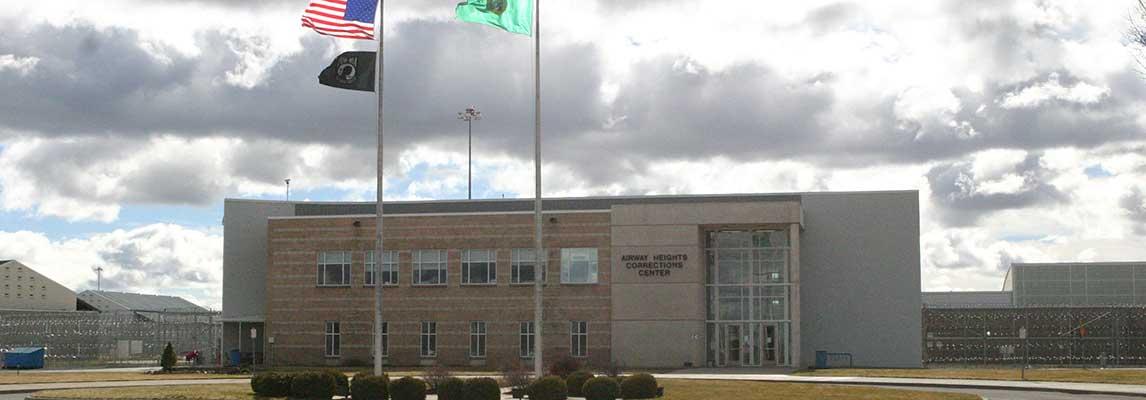
Last month it was my privilege to tour the Airway Heights Corrections Center, home at present to an average daily population of 1,700 male inmates. I was impressed with the dedication of the Department of Corrections employees who face danger every day on the job, and who do their best despite challenging conditions. The most disappointing thing? I was the only legislator who accepted DOC’s invitation. I think more legislators need to hear this message.
Reminder: Town hall meeting set for Saturday, Dec. 5
Mark your calendar! I’ll be hosting a town hall meeting Saturday, Dec. 5 at 1 p.m., at the CenterPlace Regional Event Center, 2426 N. Discovery Place in Spokane Valley. The upcoming 2027 legislative session will give us plenty to talk about. I hope you’ll be able to come!
Thanks for reading,
Leonard Christian
4th Legislative District
Contact me!
 If you have a comment about state government, or a concern with a state agency, I hope you will reach out to my office. The session is over, but I serve you year-round.
Mailing address: Post Office Box 40404, Olympia, WA 98504
Email: Leonard.Christian@leg.wa.gov
Phone: (360) 786-7606
Leave a message on the Legislative Hotline: 1 (800) 562-6000