







Worst bills still moving forward

SB 5360: Environmental Crimes
- Would establish a tiered system of crimes for certain violations of the state Water Pollution Control Act, Clean Air Act, Hazardous Waste Management Act, and other specified provisions (environmental laws) and would provide penalties and exceptions.
- Would also allow for felony prosecution based on “knowing” conduct, which legally means being aware of one’s own physical actions.
- As written, the bill would treat a minor paperwork error or harmless technical deviation the same as a catastrophic toxic spill.
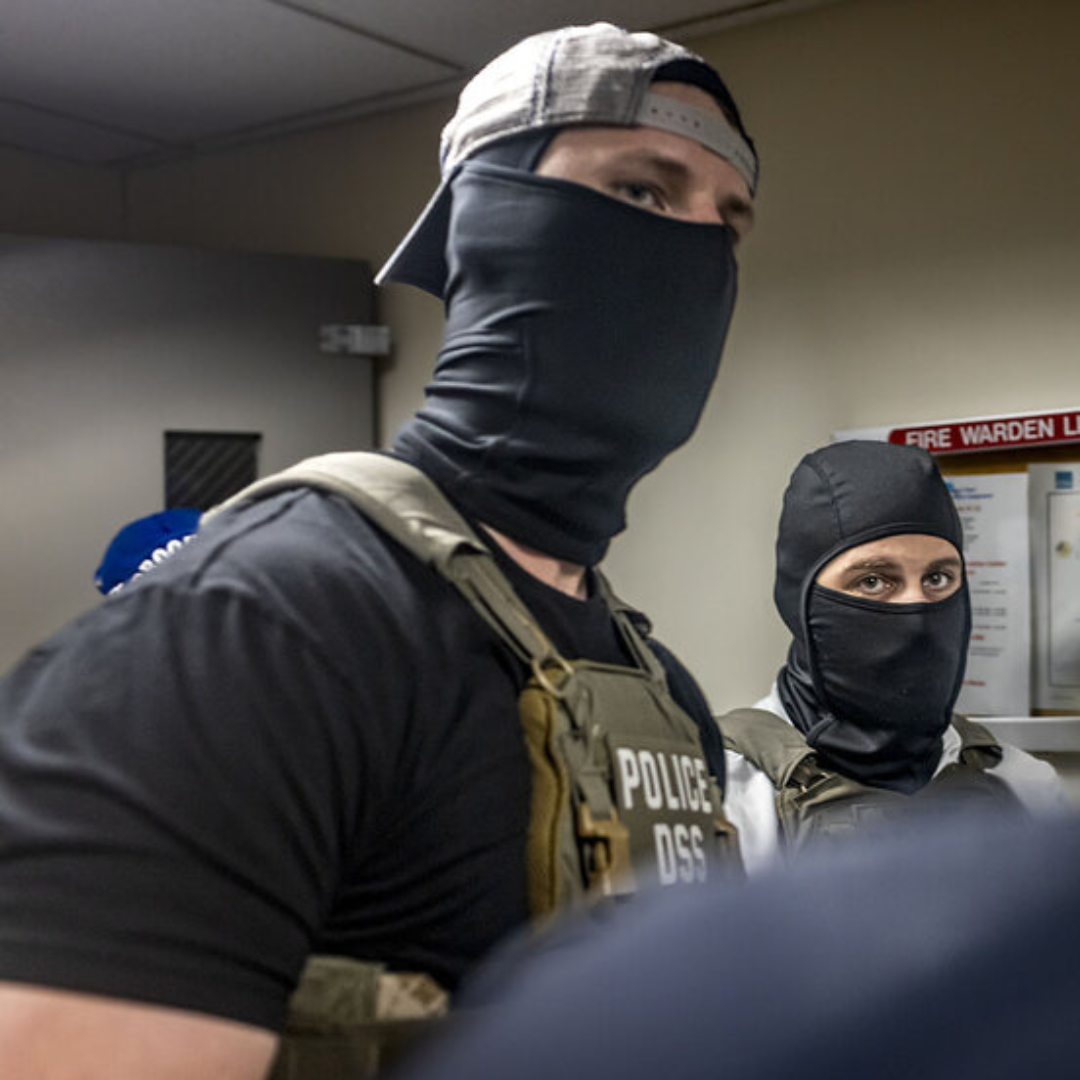
SB 5855: Police Face Masks
- Would ban law enforcement officers from wearing face coverings.
- Targeted at federal Immigration Control Enforcement (I.C.E.) agents, but the state Legislature has no jurisdiction over federal law enforcement officers due to the Supremacy Clause in the U.S. Constitution.
- Would expose the identity of officers to violent protestors, leaving them and their families at risk of retribution for arrests they make. Data shows attacks against officers have skyrocketed.
- Would also allow someone to sue individual officers for wearing a mask during their interaction. Does not apply if the officer is in compliance with current law requiring them to be easily identifiable.
- A similar ban in California (SB 627) was overturned in court. Taxpayer funds could be wasted defending a law that violates the U.S. Constitution.

SB 5974: Removing Elected Sheriffs
- Would allow an unelected bureaucracy that serves the governor to decertify and remove sheriffs who were elected by their counties.
- Would undermine the will of the people and could put sheriffs in an unworkable position of having to choose whether or not to enforce state law that conflicts with federal law, and the Washington State and U.S. Constitutions, which they are also sworn to uphold.
- Taxpayer dollars would be wasted defending a law that violates the U.S. Constitution.

SB 6346: State Income tax
- Would levy a 9.9% tax on everyone, but provide a deduction for those earning less than $1 million per year (individually or combined with a spouse).
- It’s sponsors estimate that it will raise $3.5 billion per year.
- It would hit small businesses hard.
- Would also block the people’s constitutional right to overturn it through referendum.
- It has been rushed through the Legislature, despite strong opposition.
- A KOMO flash poll shows that 97% of viewers believe such a tax will apply to them. A DHM poll shows that more than 60% of Washingtonians oppose the income tax if it starts applying to incomes of $100,000 per year.
- Democrats rejected an amendment that would have permanently limited the tax to high earners, leaving the door open to expanding the tax further simply by amending it.
Worst bills defeated this session

SB 5312: Sex Offender Leniency
- Originally introduced in 2025, would have shortened the length of time a sex offender, specifically a child predator, convicted in a “net nanny” sting must remain on the sex offender registry.
- Would have made our communities less safe for our children and been a disservice to victims of sexual assault.
- After the bill failed to move in 2025, some of the provisions in the bill were adopted through agency rulemaking authority — ignoring the fact that it didn’t even have the support of the majority.

SB 5926: Daycare Anti-Transparency
- Would have exempted state-subsidized daycares from certain public records requirements, making it more difficult for the public to obtain information about daycares and their owners.
- Was introduced four days before the story of widespread daycare fraud in Minnesota.
- Would have created a lack of transparency that could have allowed similar criminal actions here in Washington.
- Would have made it harder for parents to make an informed decision about who to trust with their child.

SB 5942: Reducing Oversight of DCYF
- Would have changed the name of the Department of Children, Youth and Families (DCYF) Oversight Board to the DCYF Accountability Board.
- At the same time, it would have eliminated the Board’s responsibility of overseeing the troubled state agency.
- Would have been a disaster for children in state care, especially at a time when we have a crisis with child fatalities and near-fatalities from exposure to fentanyl, as well as taxpayers paying hundreds of millions of dollars in liability lawsuit judgments.
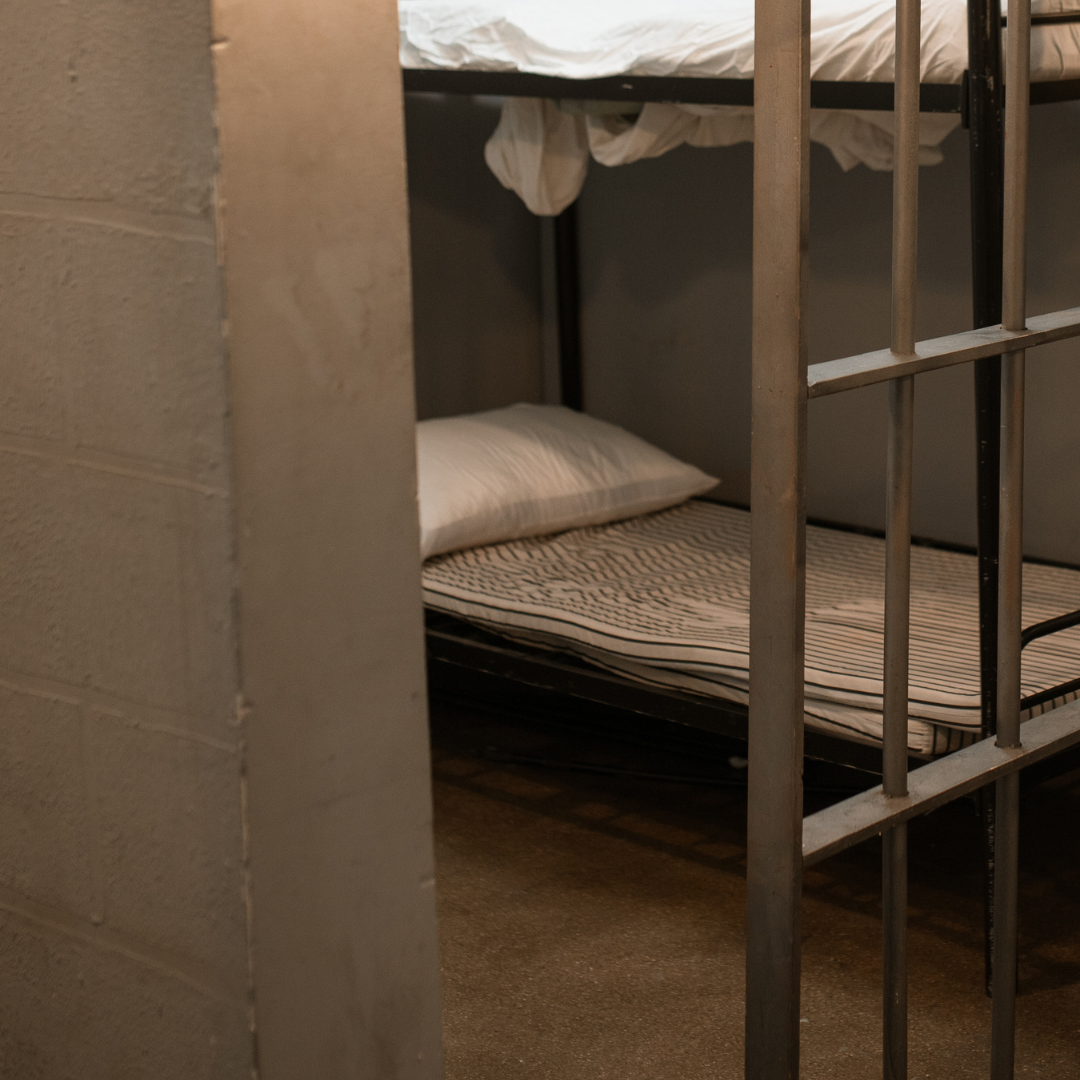
SB 5945: Weakening the "Three Strikes" Law
- Any convictions as a juvenile for such crimes as murder, rape, robbery or assault with a deadly weapon crimes would no longer count in the “Three-Strikes Law.”
- Would have allowed 24 current prisoners serving life in prison to petition for resentencing because they committed their first strike before the age of 18.
- Would have allowed the man who violently attacked an 80-year-old woman in Seattle to avoid life in prison, despite his history of violent crime.

SB 5973/5382: The Initiative Killers
SB 5973 (The Initiative Killer 2.0)
- Would have required 1,000 signatures for an initiative to be filed – before signature gatherers could begin collecting the additional signatures needed to submit it to the Secretary of State.
- Would have prevented signature gatherers from being paid per signature.
SB 5382 (The Initiative Killer)
- Would have required signature gatherers to personally verify each signature and address they collect, despite there being no evidence of a single invalid signature being gathered.
- A similar law in Oregon tripled the cost of qualifying an initiative — from $150,000 to $500,000.

SB 6147: Grocery Store Closures
- Would have required certain grocery stores to provide four months’ notice before closing and meet with certain entities to discuss alternative outcomes.
- Would have expanded the authority of the Attorney General by giving him/her the power to enforce the law.
- Would have been an overreach of government to keep a business owner from shutting down their operations.

SB 6159: Deterioration of Rural Healthcare
- Would have levied a $0.75 tax on all health insurance plans in the state to create a large fund to the benefit of the University of Washington.
- Would have been passed that cost on to customers in the form of higher premiums.
- Would have prevented rural public hospitals from entering into collaborative care agreements with Fred Hutchinson Cancer Research Center for cancer care or Seattle Children’s Hospital for pediatric care – devastating rural access to specialty care.